Altiplano
-
Dates2017 - Ongoing
-
Author
- Locations Spain, Granada
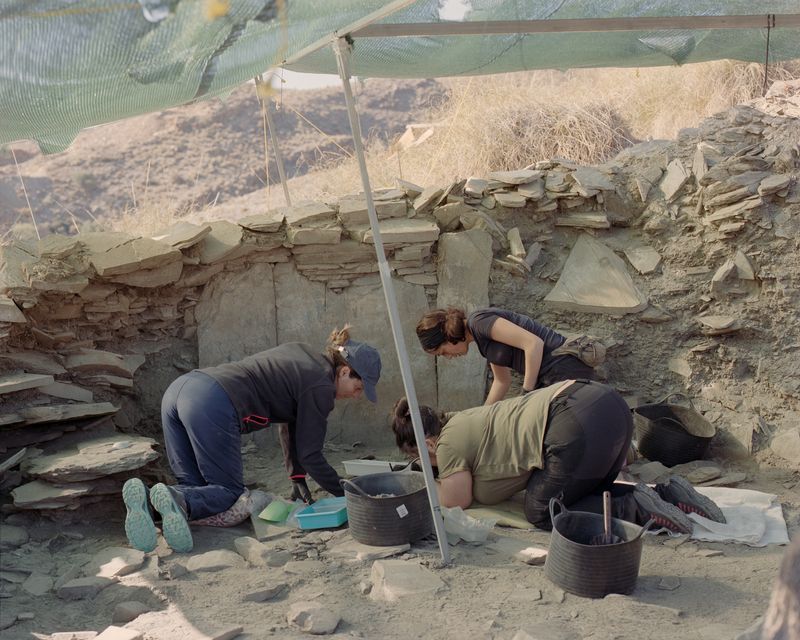
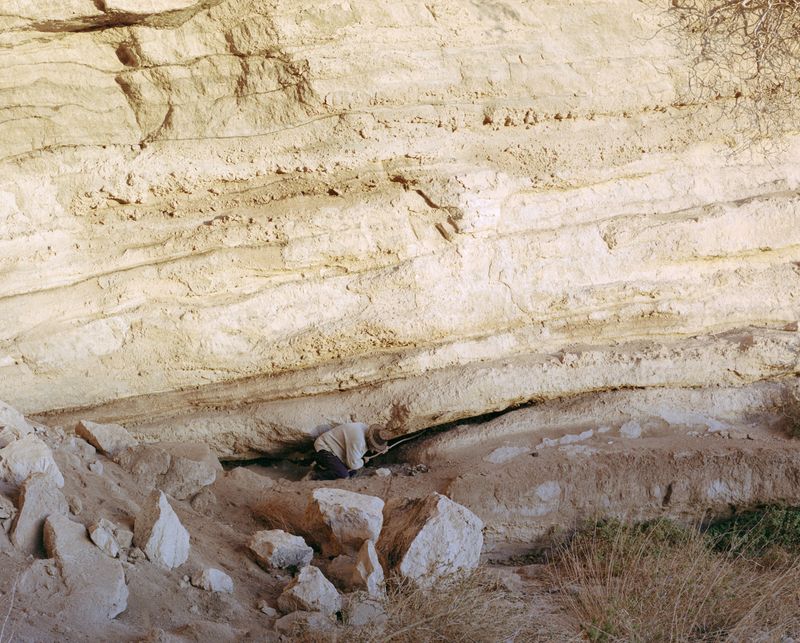
The Altiplano region in southern Spain is now a desert. Beneath the surface, archaeologists have unearthed vestiges of an extinct era, including evidence of Europe's earliest hominids who roamed the land 1.4 million years ago. I wish I’d been there.
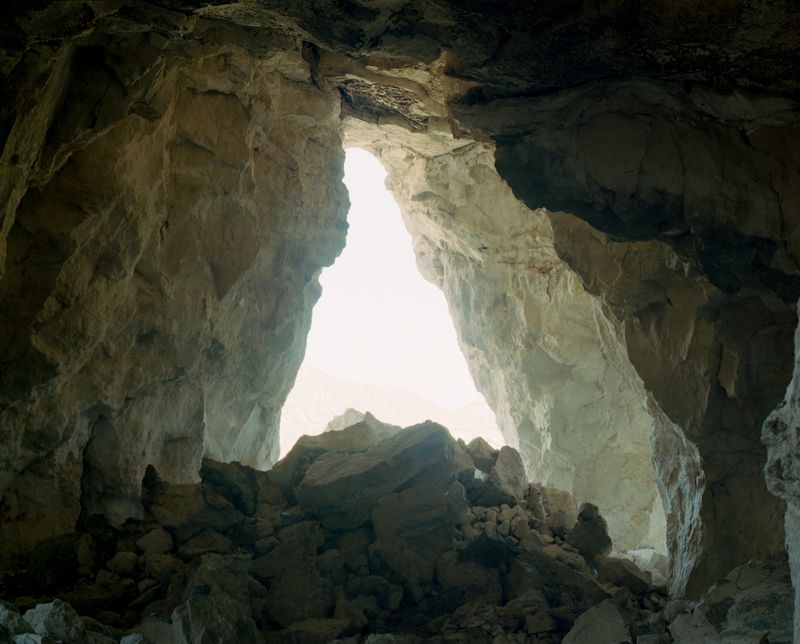
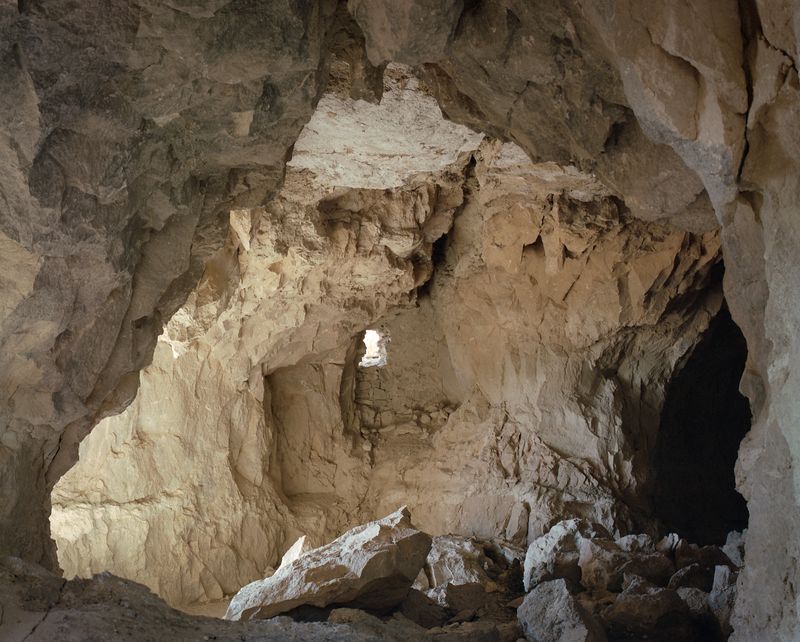
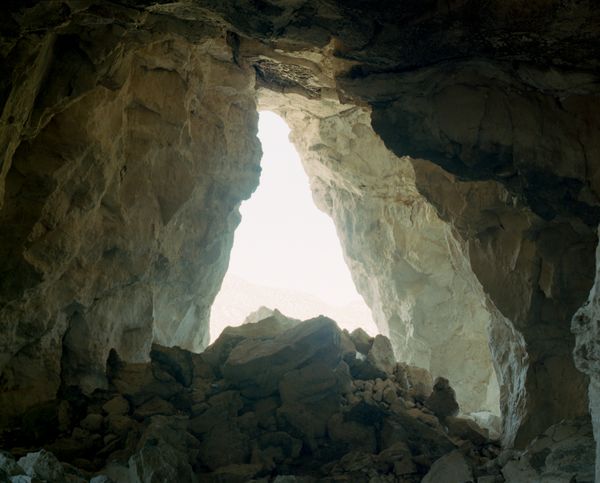
In 2013, the Journal of Human Evolution published one of the most important discoveries in modern archaeology: a 1.4 million-year-old human tooth was found in a cave near a small village in southern Spain. It is the first evidence of human presence on the European continent.
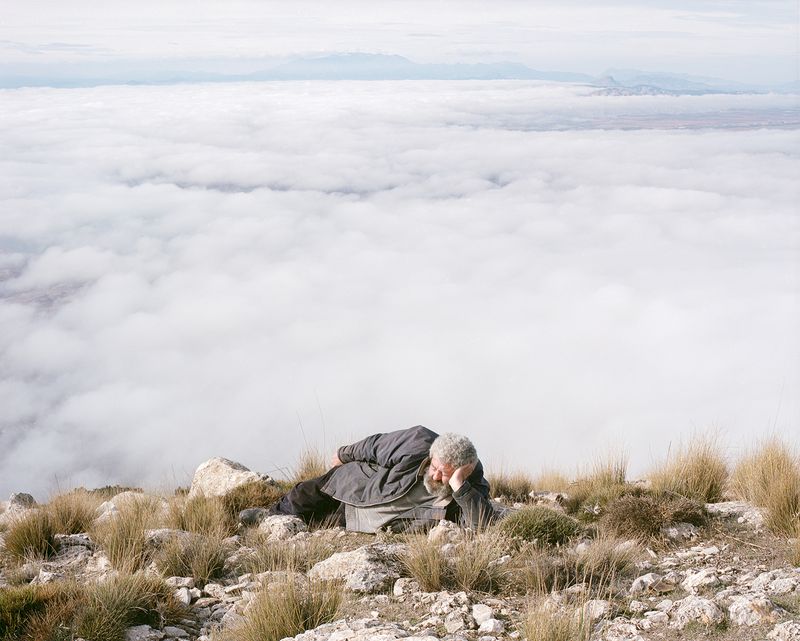
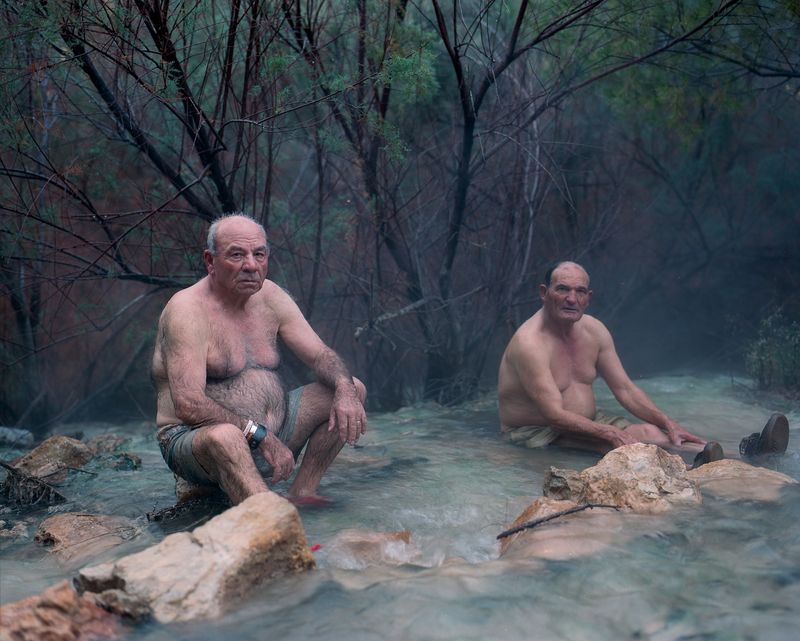
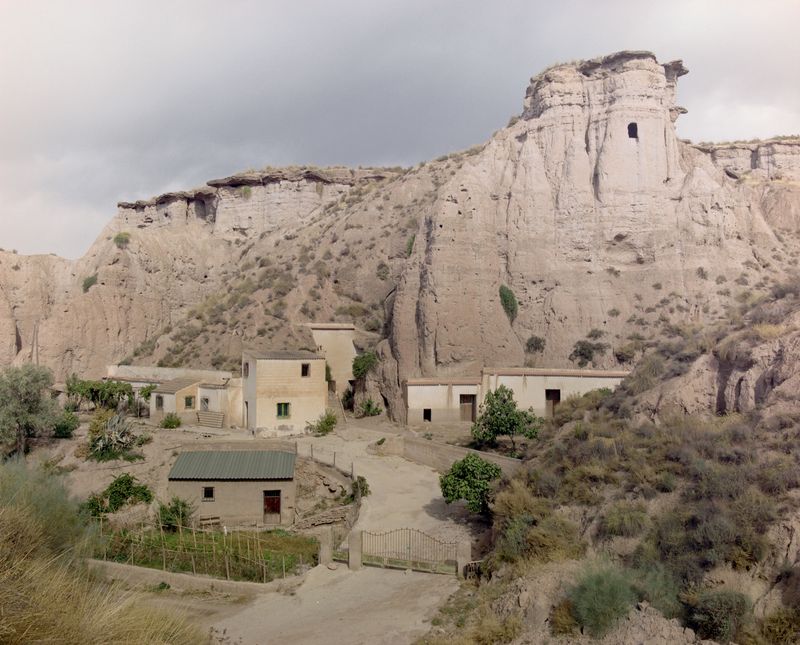
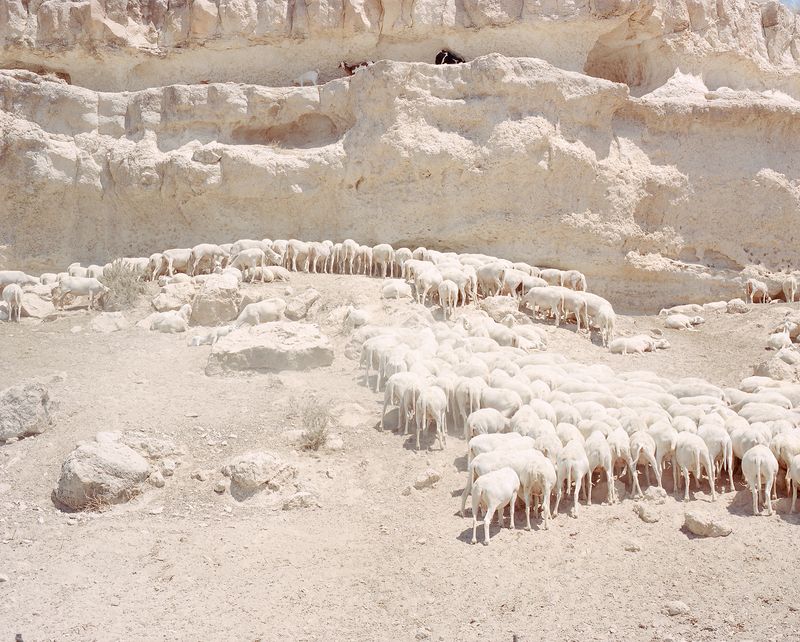
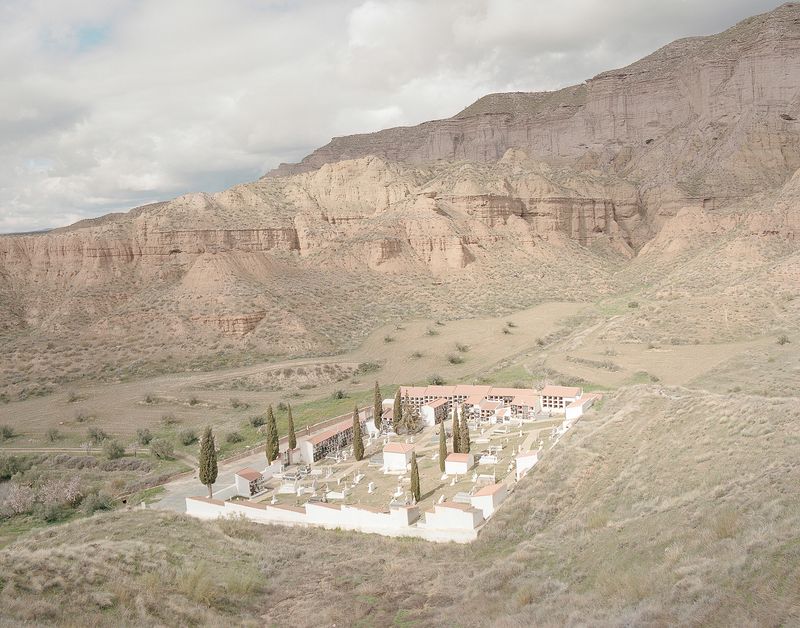
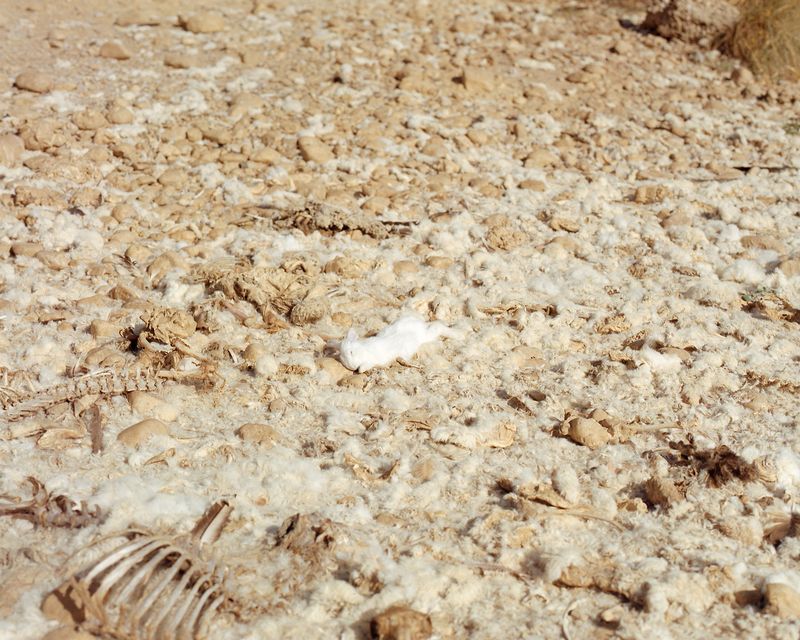
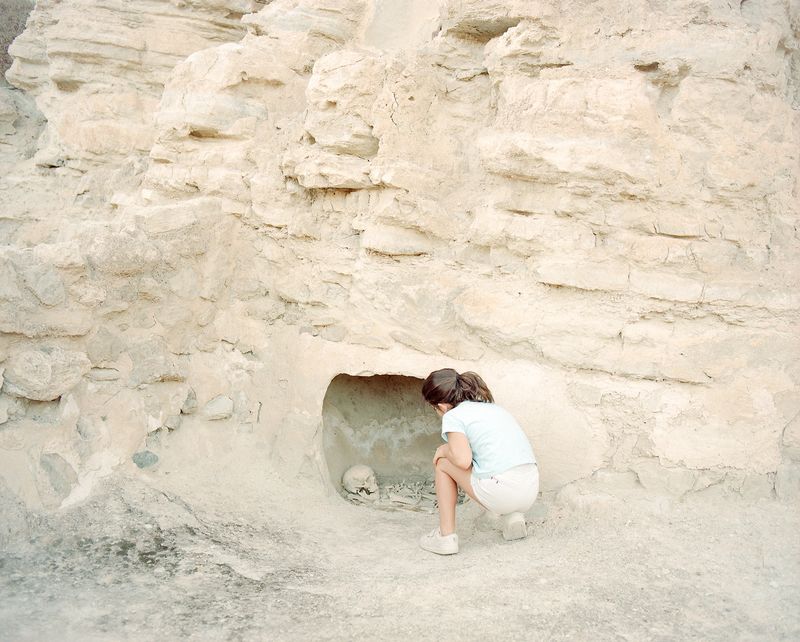
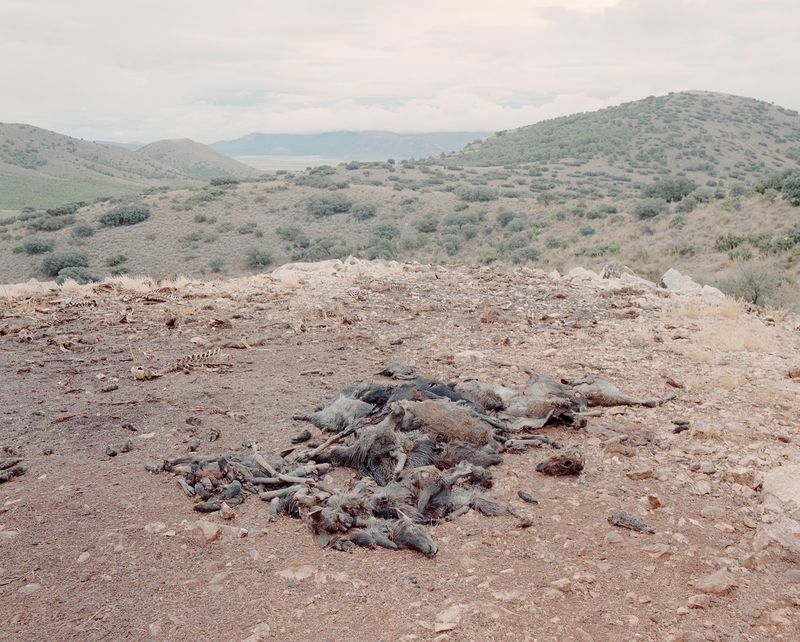
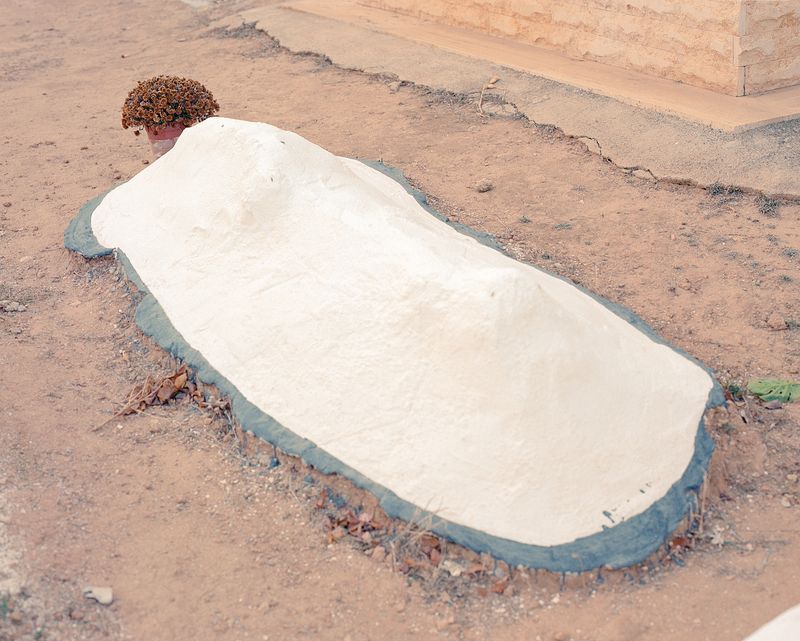
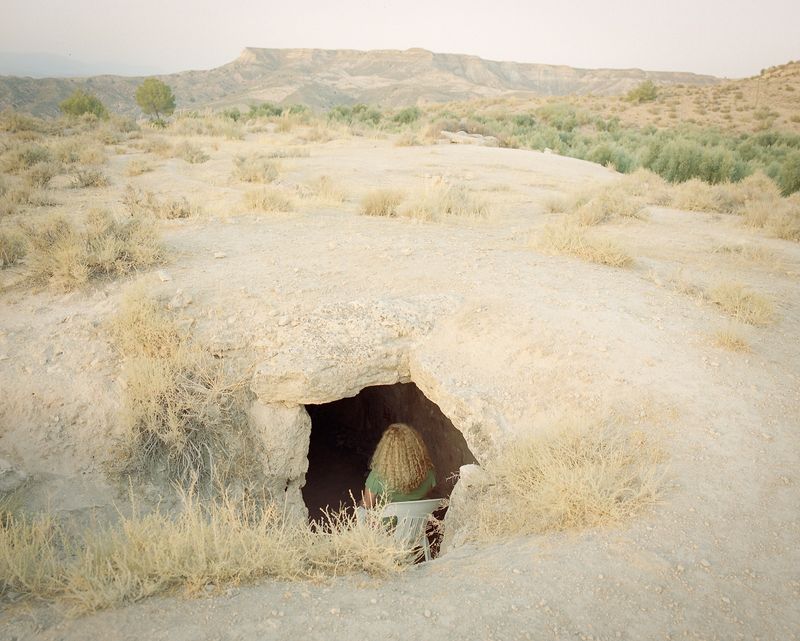
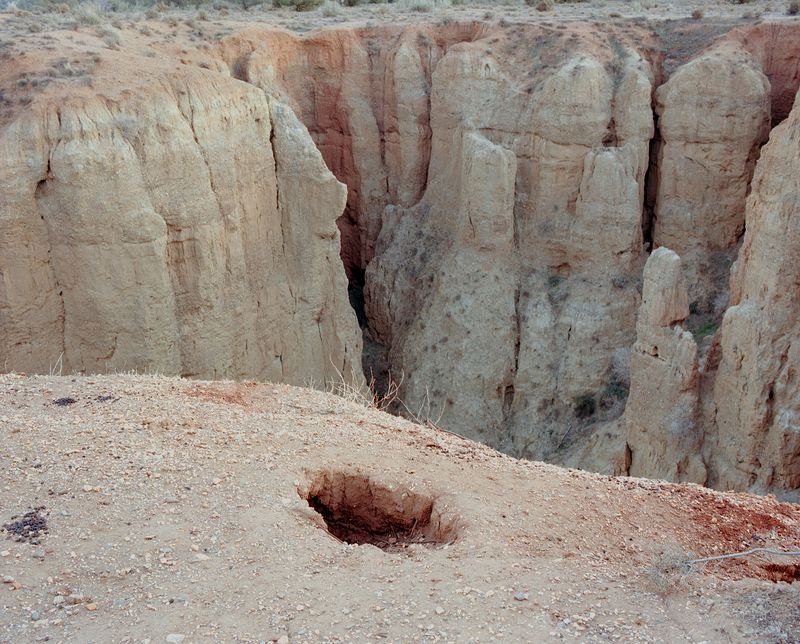
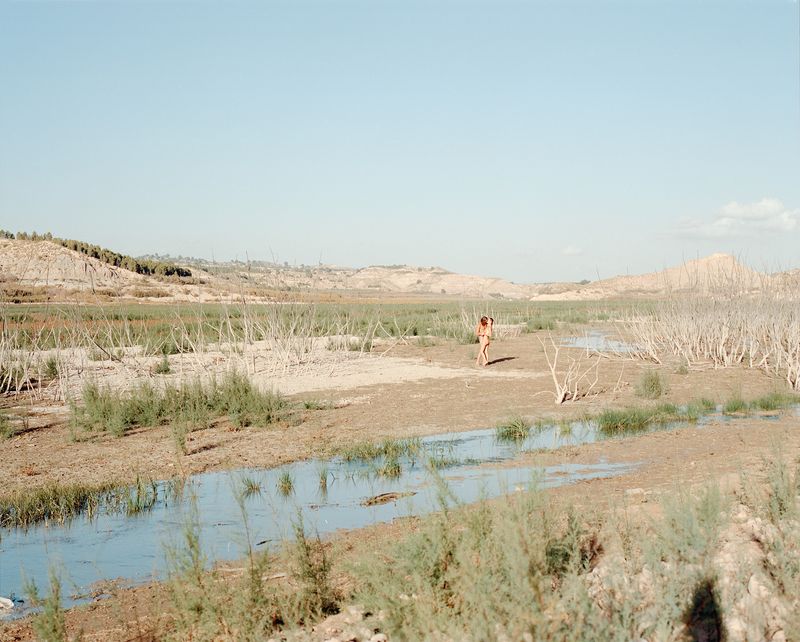
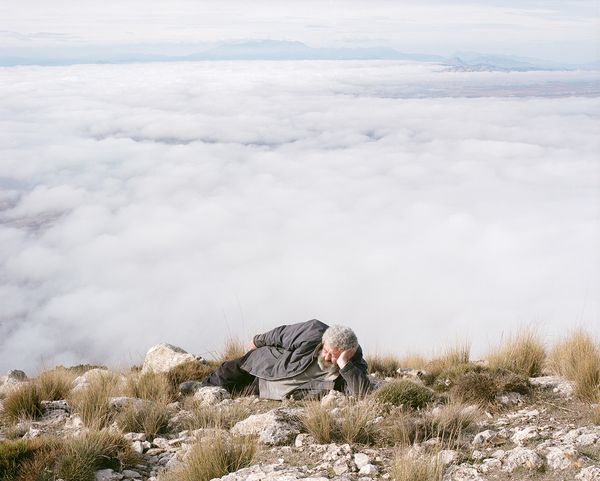
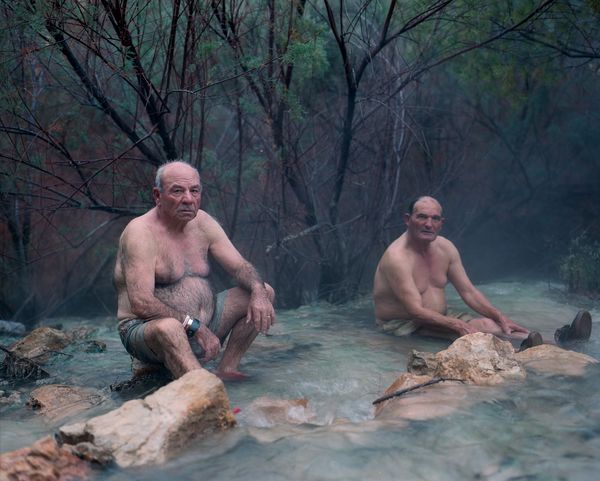
The photographic series ‘Altiplano’ is an exploration of the desert territories of the province of Granada in southern Spain. This vast region is one of the least populated in the country and remained isolated until a new road was built only 25 years ago. Agriculture and livestock farming are still the main economic activities. Cave dwellings are common in the villages that dot the landscape, most of them almost abandoned. During the Quaternary, a vast blue lagoon lake was home to an array of large mammals, including giraffes, rhinos, mammoths, and saber-toothed tigers. Archaeologists have uncovered fossils of these extinct creatures, offering a glimpse into an ancient ecosystem where life flourished in unimaginable ways. I am drawn to this barren landscape, captivated both by what is visible on its surface and by the secrets buried beneath.
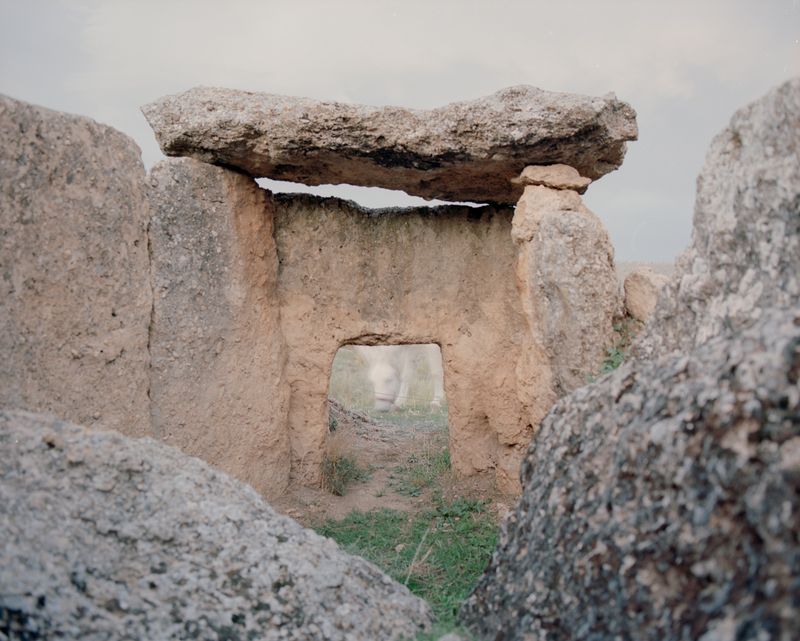
The idea of time-strata hidden under the earth and the possibility of their manifestation on the surface provide a conceptual basis for the project. In Altiplano I’ve considered the whole territory as an archaeological site. I photograph what is above the earth, and imagine what is below, what echoes still resonate. Geological time is so remote that could belong to the same realm as fairy tales. “Once upon a time”, as children's books begin, invites the reader into a place that “once” was, but no longer exists. The prehistory could be such a place.
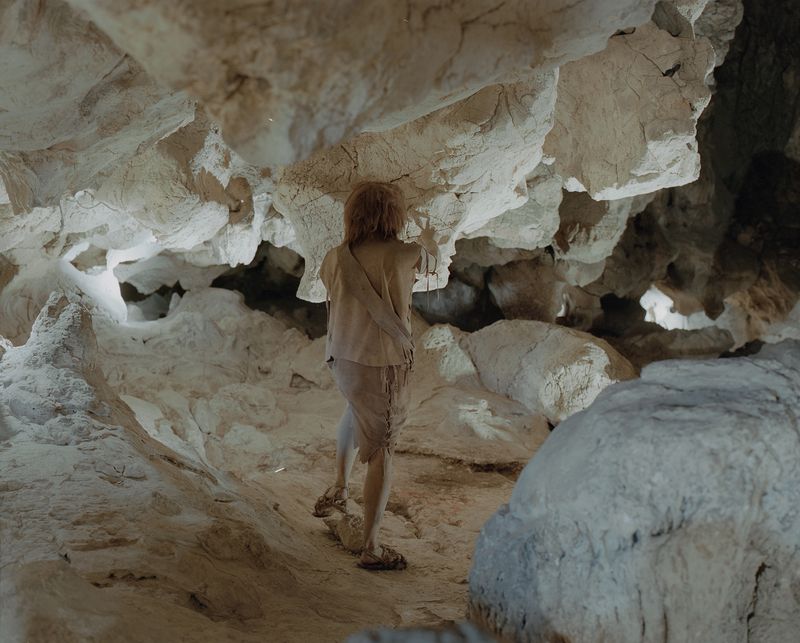
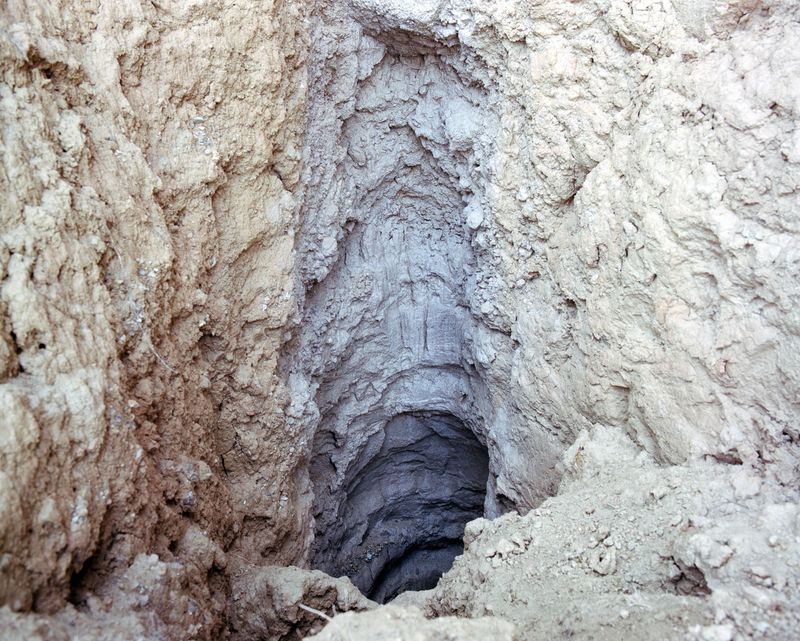
From the beginning I felt compelled by the poetic possibility of using the caves and crevices of today’s landscape as gateways into another world, a sort of rabbit hole. I wanted to be traveling both above and beneath the surface of this territory. To do so, I collaborated with a shaman who would guide me into the “underworld”, asking me during different sessions to find one such hole in the landscape, then go through, and exit on the other side. The visions I received during these journeys accompanied me during my photographic expeditions and viceversa. I wanted to world above and the world underneath to come into a dialogue. This double experience of the landscape constitutes the present series of images.
Engaging with both geological and memory excavations, “Altiplano” aims to explore terrestrial and mental geographies, human and non human, factual and fictitious, drawing on notions of sedimentation, stratification, and the plasticity of collective and individual memories.